|
News got Greener! |
|
|
The best way to fight Amazon destruction and help with climate change is by the creation of large natural protected reserves and by supporting the indigenous native people living there sustainibly during centuries. Due to global attention on the issue and political pressure in the countries borderin...
More than 180 oil and natural gas fields extend across the western Amazon, shared by five South American countries and threatening biodiversity and indigenous lands. LIMA, Aug 28 (Tierramérica) - Peru is the most worrisome case: 72 percent of its jungle territory overlaps with plans for exploitin...
Peru has the third largest extent of tropical rainforests in the world, after Brazil and the Democratic Republic of Congo. These forests are some of the richest in the world, both in terms of biological diversity and natural resources (Mongabay.com). Forest Cover and Deforestation About half of P...
Biofuels can reduce emissions, but not when grown in place of rainforests. (Mongabay.com) July 22, 2008 Biofuels meant to help alleviate greenhouse gas emissions may be in fact contributing to climate change when grown on converted tropical forest lands, warns a comprehensive study publishe...
|
|
The Idea
How it started The background, global warming, the opportunity to make a change. Read More
Your Signature
How you can help We just need your name to sign in the petition. Read More
The Project
How We Can Do It The campaign, the plans, the fundraising and private conservation. Read More
The Clock is Ticking for Amazon Conservation
According to the World Wilflife Fund (WWF) Today, rapid deforestation threatens the Amazon. At current rates, 55 percent of its rain forests could be gone by 2030—a looming disaster not only for the region’s plants and animals, but for the world.
Some 8,147 square kilometers (3,145 square miles) of forest were destroyed between August 2007 and August 2008, Amazon deforestation jumped 69 percent in the past 12 months — the first such increase in three years — as rising demand for soy and cattle pushes farmers and ranchers to raze trees
The Amazon is a region of superlatives. It spans the borders of e ight countries and one overseas territory, is the world's largest river basin and the source of one-fifth of all free-flowing fresh water on Earth. Its rain forests are the planet's largest and most luxuriant, and home to - amazingly - one in ten known species on Earth We travelled along the Interoceanica highway a road connecting Peru's Pacific Coast thru the mountains, into the Amazon along Tambopata's National reserve all the way to Brazil. This road will just add more development and population preassure to an already ecologically sensitive area, that has the largest biodiversity in the world.
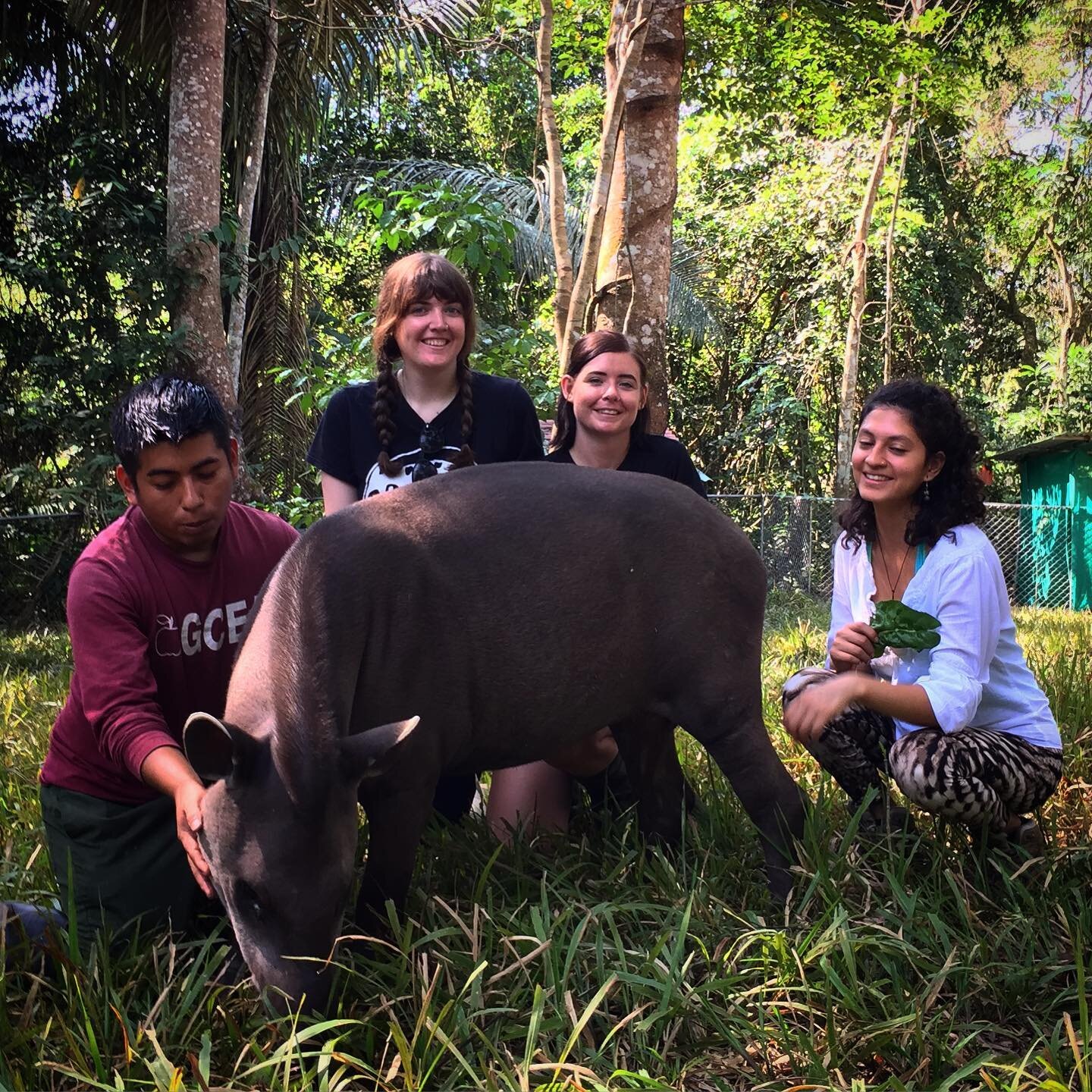
ECOTOURISM can help save large parts of the Amazon by bringing in sustainable development to the native communities living in the rainforest for centuries, who will then protect their own living environment from other industrial activities like mining, logging and agribusiness. Foreigners will also have the change to share the living conditions of the natives and understand the reality of the Amazon, having a unique experience and automatically getting involved and helping preserve the rainforest in a sustainable way. We are working to promote affordable community ecotourism projects. For instance, you can stay from $10 per day at a community along the Tambopata river and national reserve. We plan to organize research and community expeditions for volunteers and travellers to join us in our conservation projects.
Book of the Month
Rainforest by Ben Morgan, The Rainforest Foundation, and Thomas Marent (Hardcover - Aug 21, 2006) Buy new: $40.00 $26.40 43 Used & new from $15.99 (38)
Upcoming Events
The Pachamama AllianceAnnual Fundraising Luncheon Wednesday, November 12, 2008 from 12 Noon to 1:30 PM, at the Festival Pavilion, Fort Mason, San Francisco
Site Spotlight
Check out this excellent website called Mongabay ( http://www.mongabay.com), an incredibly informative and up-to-date resource related to the so called “lungs of the planet”. The site was founded and maintained by the U.S. American Rhett A. Butler, who has been researching and writing about rainforests for over a decade.
Interoceanica
Construction of New Highway Advancing
This controversial transcontinental road project threatens the environment and indigenous communities in both Peru and Brazil. The total project has an estimated cost of US$1.3 billion, but some analysts predict a higher cost. Several non-governmental organizations have expressed concern that the project was approved with atypically little effort on Environmental Impact Studies. Concerns are both environmental (such as deforestation, illegal hunting and fishing, soil erosion, loss of biodiversity, or loss of ecotourism value), and social (such as harm to indigenous populations, illegal crops, drug and arms trafficking, "slaving underemployment", or prostitution).
Biodiesel
Soy Plantations for Biodiesel
 The drive for "green energy" in the developed world is having the perverse effect of encouraging the destruction of tropical rainforests. From the orang-utan reserves of Borneo to the Brazilian Amazon, virgin forest is being razed to grow palm oil and soybeans to fuel cars and power stations in Europe and North America. And surging prices are likely to accelerate the destruction. The rush to make energy from vegetable oils is being driven in part by European Union laws requiring conventional fuels to be blended with biofuels, and by subsidies equivalent to 20 pence a litre. Last week, the British government announced a target for biofuels to make up 5 per cent of transport fuels by 2010. The main alternative to palm oil is soybean oil. But soya is the largest single cause of rainforest destruction in the Brazilian Amazon.
Oil & Mining
Oil & Gold Demand Pushing Exploration
A new natural gas, oil and gold rush is sweeping through the Amazon rainforest where scores of women and men hunt for nuggets and specks of gold. But this race for gold is bringing on the destruction of one of the last earthly paradises, the world’s largest tropical forest, the lungs of our planet, where everything and anything can be paid for. Gold has brought upon disease, mercury, crime, alcoholism. Gold has turned creeks and rivers into dumping grounds. Whereas the Amazonian rainforest releases 300 tons of gold each year, it receives 120 tons of mercury. The extraction of oil is responsible for the deforestation, degradation, and destruction of lands across the globe. The oil extraction process results in the release of toxic drilling by-products into local rivers, while broken pipelines and leakage result in persistent oil spillage.
Cattle & Ranching
Burgers from the Amazon
 Cattle ranching remains a very important industry in Brazil and is becoming even more vital to the Brazilian economy. The Brazilian commercial cattle herd is the largest in the world. the United States and Europe are still major importers of Brazilian beef.6 For every 1/4 lb hamburger consumed in the US from rainforest beef, about 55 square feet of rainforest was cleared. Sllash-and-burn involves clearing a section of rainforest, fertilizing it by burning the preexisting plants, and then planting the desired crop. This method is only able to support 2-3 years of production, after which the farmer leaves the field fallow and moves on to another plot of land. For reasons similar to agriculture, ranching is not very adaptable to the land of the Amazon Rainforest. The grasses required to feed cattle, like the crops maintained in agriculture, are not resistant to the natural forces of the Amazon Basin and quickly deplete the nutrients of the surrounding soil.
Illegal Logging
High End Furniture and Plywood
 Illegal logging is the harvest, transportation, purchase or sale of timber in violation of national laws. The harvesting procedure itself may be illegal, including using corrupt means to gain access to forests; extraction without permission or from a protected area; the cutting of protected species; or the extraction of timber in excess of agreed limits. It is estimated that illegal logging in public lands alone causes losses in assets and revenue in excess of 10 billion USD annually. [3] Although exact figures are difficult to obtain, given the illegal nature of the activity, reliable estimates indicate that more than a considerable share, in some cases more than the half of all logging activities in particularly vulnerable regions – the Amazon Basin, Central Africa, Southeast Asia, the Russian Federation and some of the Baltic states – is illegal. In Brazil, 80% of logging in the Amazon violates government controls. Often referred to as ‘green gold’, mahogany can fetch over US$1,600 m-3. Illegal mahogany opens the door for illegal logging of other species, and for widespread exploitation of the Brazilian Amazon.
|
Volunteer with us!
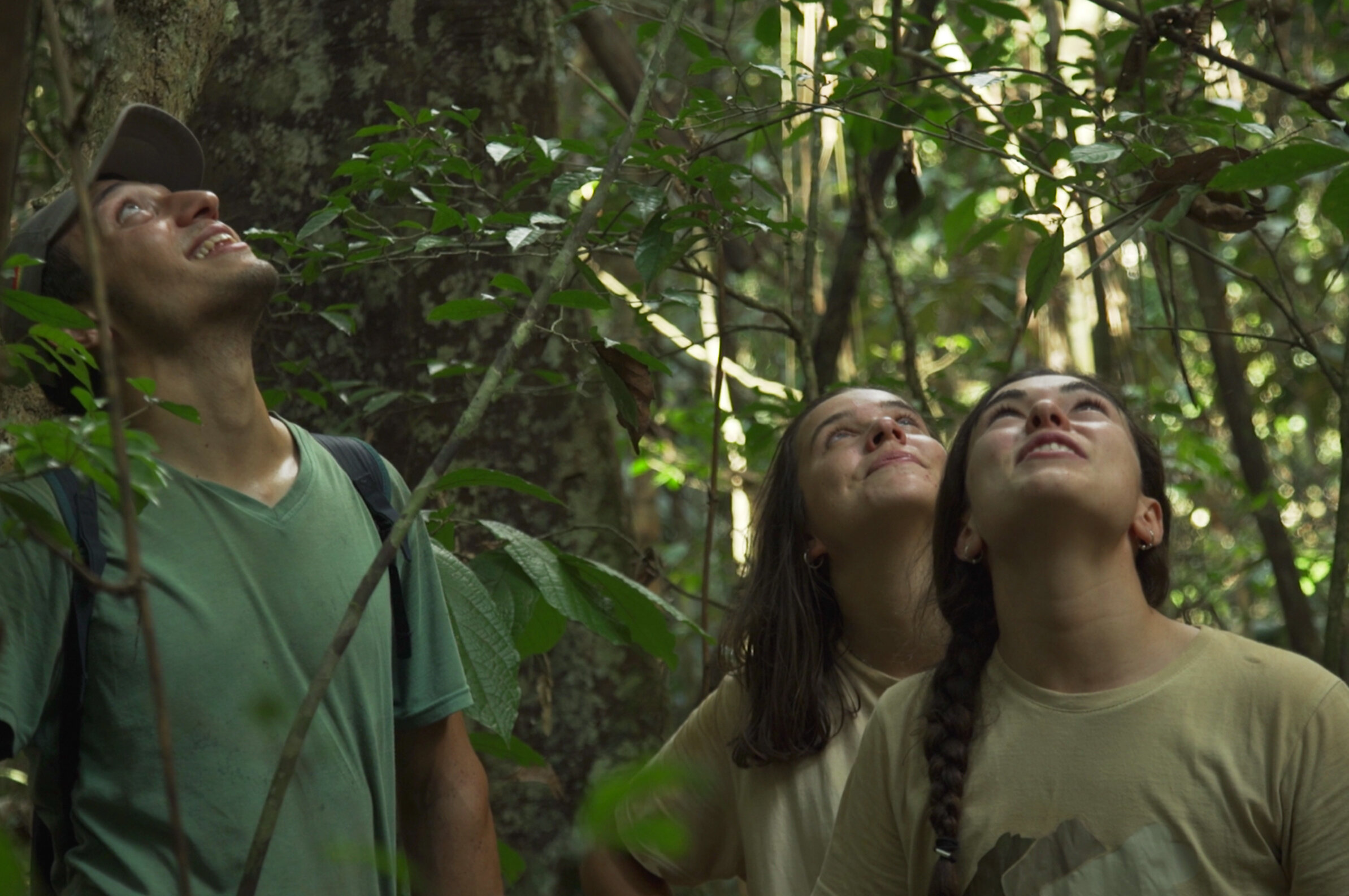
We need your help to raise awareness and show the facts. We want Amazon Rescue to become a premier source of news and information related to rainforest conservation and other current green topics. You can help us research and publish information and if interested you can join our free volunteer program in Peru and work with us developing our research, conservation and community projects in Madre de Dios. Contact us for more information!
Join the Campaign!
Register today and add your name to the campaign. The more supporters we have the more we can lobby local, regional and national governemnts, as well as support native communities to save the rainforest. Learn more about the Project
Current and Past Events
 Check out past and future events related to conservation, research, sustainability and ecotourism Coming Soon
|